
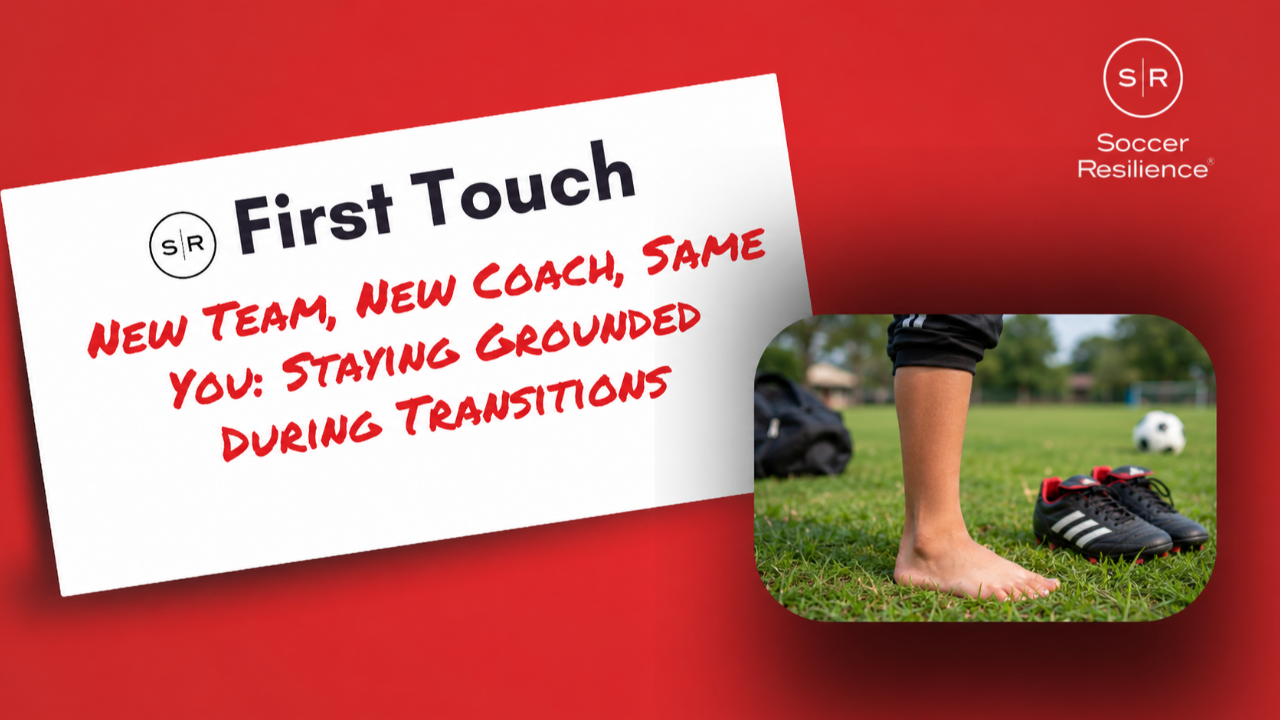
New Team, New Coach, Same You: Staying Grounded During Transitions
Aug 15, 2026By: Dr. Brad Miller
Starting a new season can be exciting.
It can also feel uncomfortable.
Whether you're joining a new club, meeting a new coach, competing for a new role, or simply returning to a team that has changed over the offseason, transitions challenge every player.
Many athletes assume feeling nervous or questioning themselves means something is wrong.
It doesn't.
Your brain is designed to protect you - not define your potential.
Understanding how your brain responds to change is the first step toward staying grounded, building confidence, and enjoying the season ahead.
Why Transitions Feel Difficult
Your brain's primary job is keeping you safe.
To do that, it prefers predictability.
When your brain knows what to expect, it can prepare for challenges. But when things feel uncertain, your brain shifts into threat mode and starts scanning for potential problems.
That's why transitions often trigger anxiety and self-doubt.
A new season brings uncertainty:
-
New teammates
-
New coaches
-
New expectations
Instead of seeing opportunity, your brain starts asking questions like, "Will I fit in?" or "Am I good enough?"
This isn't because you're weak. Your brain dislikes uncertainty and negative surprises, so it naturally gives more attention to potential setbacks than potential successes.
Understanding this changes everything.
Instead of believing every anxious thought, you can recognize:
"My brain is trying to protect me by over-preparing for negative possibilities instead of likely outcomes."
Common Mental Challenges During Team Changes
Every transition brings adjustments.
Even if you return to the same club, the season won't be exactly the same.
Players develop.
Teammates change.
Roles evolve.
Some of the most common mental challenges include:
-
Wondering where you fit on the team.
-
Adjusting to new expectations, roles, or playing styles.
-
Comparing yourself to new teammates.
These challenges can pull your attention toward everything that feels unfamiliar.
That's where many players become stuck.
Instead of seeing change as proof something is wrong, view it as evidence that you're entering a new opportunity for growth.
Growth has always required some discomfort.
Why Your Identity Matters More Than Your Environment
One of the biggest mistakes players make is allowing their environment to define them.
A new coach, team, or role doesn't change who you are.
Ask yourself:
Who do I want to be every time I step onto the field?
Maybe your answer is:
-
A player who gives strong effort.
-
A teammate who lifts others up.
-
Someone who takes on challenges.
Those qualities belong to you - not your environment.
When your identity comes from your values instead of your surroundings, your confidence becomes much steadier.
Returning to Controllables in New Situations
During transitions, your brain naturally focuses on everything you can't control.
New coach.
New teammates.
New competition.
Instead of chasing those uncertainties, return your attention to what you can control:
-
Your effort
-
Your communication
-
Your next action
Think of it like steering a car.
If you keep staring at what's outside your lane, you'll drift.
When you return your eyes to the road in front of you, you drive with much more confidence.
The same is true mentally.
Our brain goes where we tell it to go.
Returning to controllables helps move your brain out of threat mode so you can play the game you've trained to play.
How Players Can Build Confidence Quickly on New Teams
Many players believe confidence comes after they perform well.
In reality, confidence grows from preparation and action.
Remind yourself:
"I have the capacity to take on today's challenge."
A few practical ways to build confidence during transitions:
-
Let go of last season. Focus on today's opportunity instead of yesterday's results.
-
Challenge yourself every practice. Confidence grows by doing difficult things instead of avoiding them.
-
Expect and reframe mistakes while learning. Mistakes are evidence that you're stretching and improving.
-
Prepare your mind before training. Use a breathing routine, visualization, or a simple mantra like "Let's grow today."
The more prepared you are for challenges, the less your brain focuses on worry and the more it focuses on how to respond.
Preparation builds confidence.
Supporting Players Through Transitions in Helpful Ways
Parents and coaches play an important role during transitions.
Players don't need reminders that things are different.
They already know.
What they need most is steady support.
Here are four ways adults can help:
-
Normalize that anxiety and self-doubt are a natural part of transitions.
-
Praise effort, learning, and growth - not just results.
-
Help players return their attention to what they can control.
-
Create a team culture where every player feels welcomed, included, and supported.
The goal isn't to remove every uncomfortable feeling.
The goal is to help players move through those feelings without losing confidence in who they are.
Transitions become much easier when players know they belong before they've proven anything.
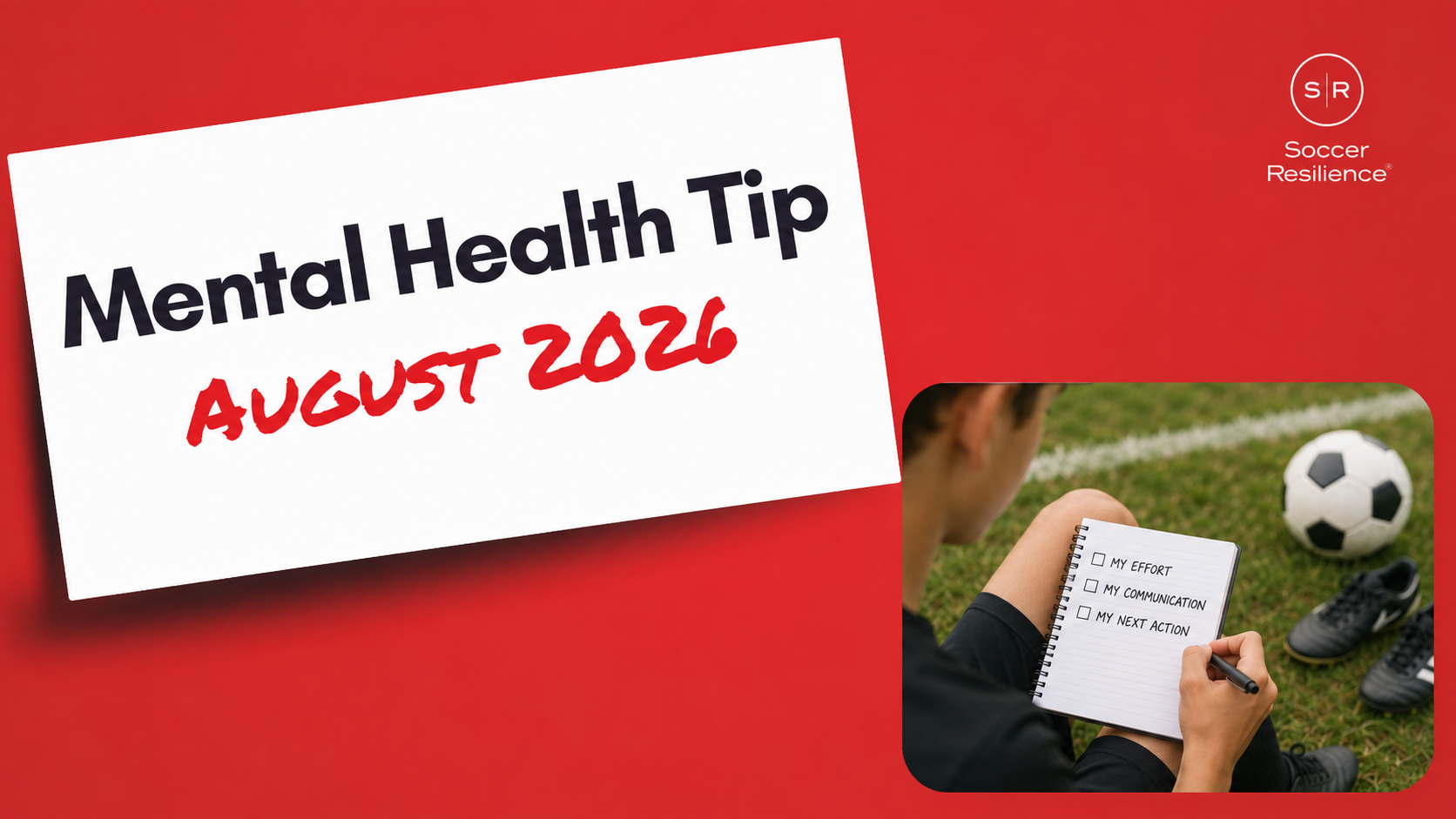
🧠 Mental Health Tip
Transitions Trigger Anxiety - Return to Controllables
Before your next practice or tryout, write down three things you can control.
For example:
-
My effort
-
My communication
-
My next action
When uncertainty shows up, come back to your list.
Returning to controllables helps quiet your brain's alarm system and keeps your attention where it can make the biggest difference.
Stay connected with news and updates!
Join our mailing list to receive the latest news and updates from our team.
Don't worry, your information will not be shared.
We hate SPAM. We will never sell your information, for any reason.
